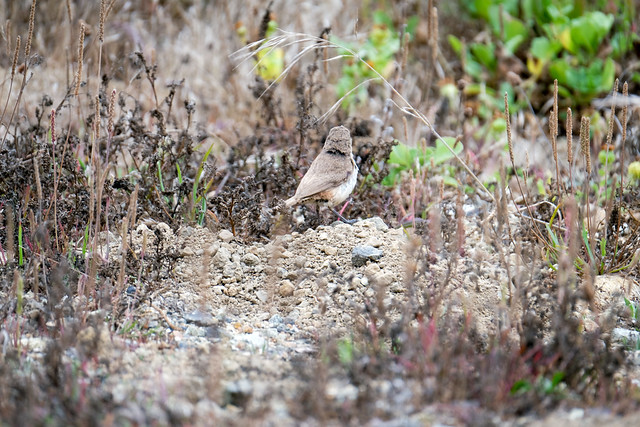
Title Image

Title Image

About:

This blog is predominately about camera trapping in California. We camera trap to save our souls and to teach primary school students about biology and conservation. We will also touch on other camera trapping news and musings, sets from afar, mediocre herpetology, sucky birding, and other natural history discussions.
Showing posts with label good birding. Show all posts

Saturday, June 2, 2018

Summer Bird Count -- Stanford University

Hey something about campus! More 50% on brand posts. And a same day post, what the what?!?

A dry Lake Lagunitas in the morning

Christian and I headed out to the Stanford campus for the annual Audubon Society Summer Bird Count. The trip was lead by Rob Furrow, a most gracious teacher and gifted birder. We were also joined by Jason and Alexander, two Stanford students.

We met up at the somewhat redundantly named Lake Lagunitas at 6:30am. Oh, but its also not a lake, at least not this year. Wasn't really even a vernal pond. Sadly it didn't hold water like last Winter. No toad SUPERBLOOMS. However, it didn't get mowed this year leaving lots of great seeding plants for birds to feed on.

Jacket weather lasted about 20 minutes. We could tell it was going to be a hot one early. It turned into a scorcher reaching 90°F by noon. We ended the day with 62 species and about 6 hours and 10 miles of birding by bike.

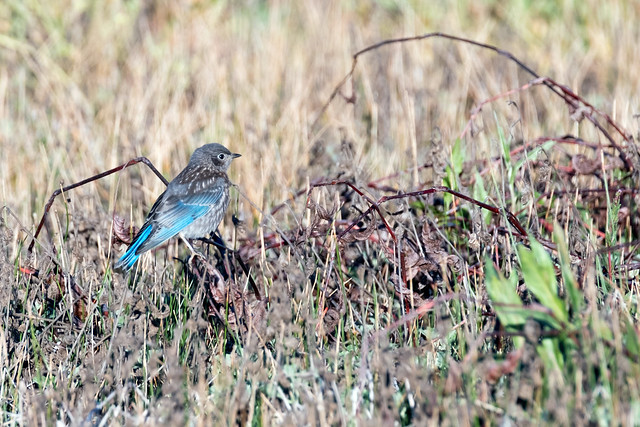
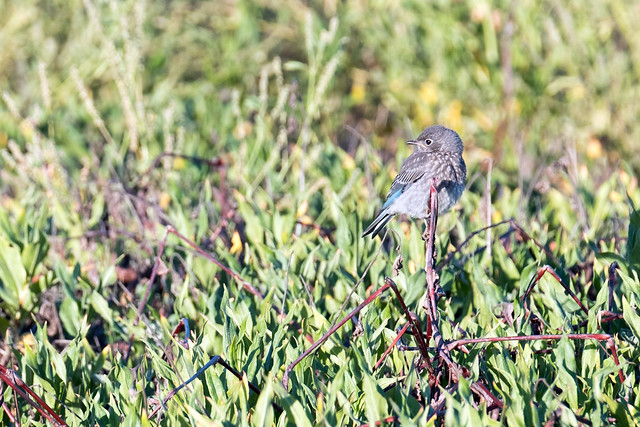
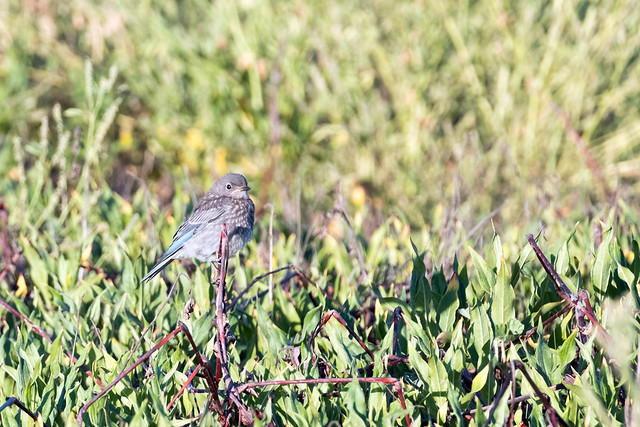
I have done other Christmas Bird Counts and Summer Bird Counts on campus, but this was the first time I brought my camera. Even so I didn't really spend much time taking pictures. Our goal was not only to count birds, but to observe any evidence of breeding success. We saw quite a bit of that. Fledgling Western Bluebirds, Chestnut-backed Chickadees, Oak Titmouses (Titmice?), Song Sparrows, and the rusty chest of 3 White-tailed Kites were abundant at Lake Lagunitas. Young Mallards were swimming in San Fransquito Creek. White-breasted and Pygmy Nuthatches were seen feeding fledglings in the riparian habitat along the creek. Even cooler was a greedy little Brown Creeper getting fed by two adults in an oak tree. We saw Acorn Woodpeckers feeding young and a young Nutall's Woodpecker sticking his head out of a nest cavity. The most abundant birds of the day were House Finches, many of whom were also feeding fledglings.

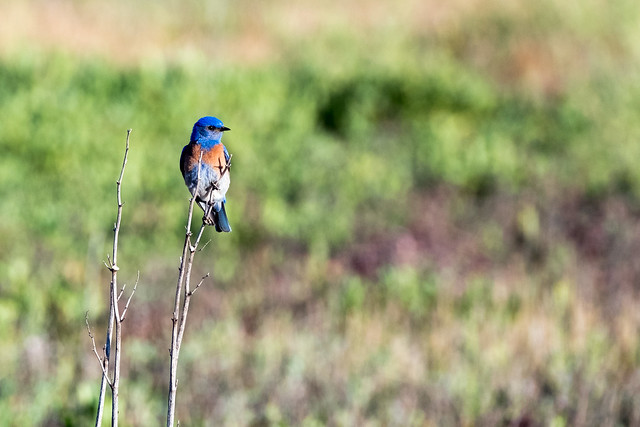
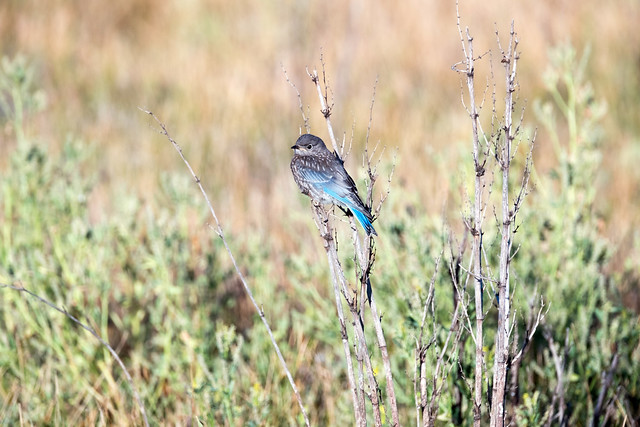
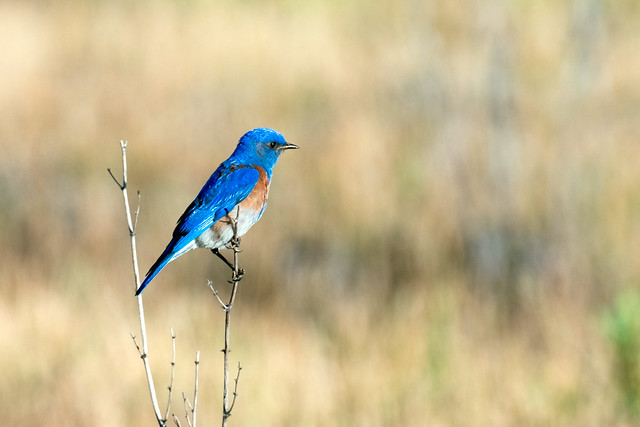
The early light and leisurely pace was good for some Western Bluebird photography in the dry lakebed.

An adult male Western Bluebird looking regal as all hell
SBC_Stanford-1320

SBC_Stanford-1307

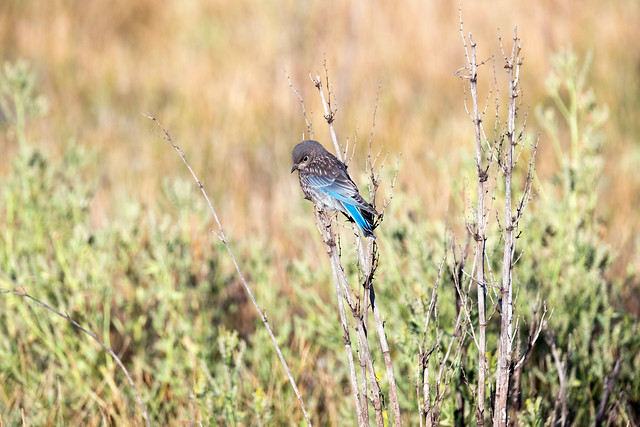
And one of the fledglings waiting for mom or dad to come back with breakfast.
SBC_Stanford-1322

SBC_Stanford-1310

SBC_Stanford-1308

SBC_Stanford-1306

SBC_Stanford-1327

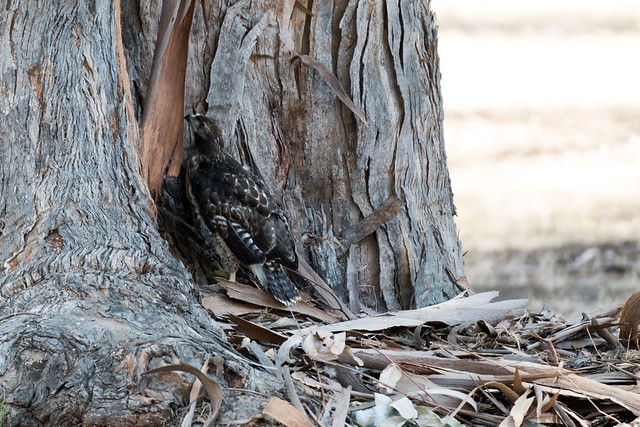
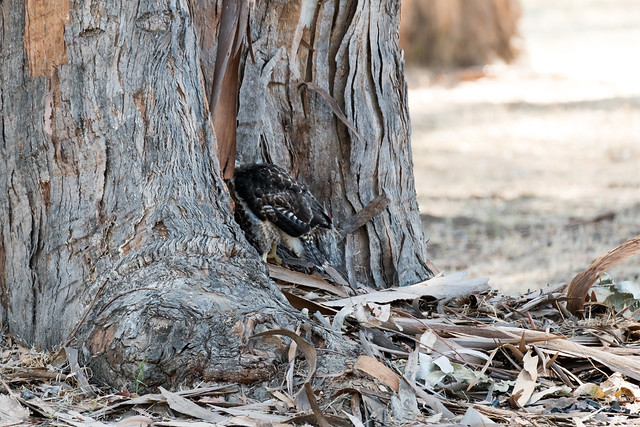
This fairly rough looking Red-tailed Hawk was on the ground in the Arboretum doing a pretty piss poor job of looking like a tree trunk.
SBC_Stanford-1330
Peek-a-boo


SBC_Stanford-1332

I got 4 new campus birds today, breaking 100 for a total of 102. A flyover Double-crested Cormorant was actually bird #100 (pretty lame #100 if you ask me). I didn't realize that I was missing Kestrel, otherwise I would have been more excited as it flew over my head (and only my head, the other guys were looking for a group of 30 wild turkeys reported to us by some golfers with robot caddies that followed them like a puppy. Oh Silicon Valley).

One of the two Hoover Tower Peregrine Falcons was present for a brief glimpse, but quickly flew off to figure out a way to give more tax cuts to rich people and start another war in the Middle East.


Western Fence lizards were out in full force, but it was a snakeless day. I thought for sure we'd stir up a Yellow-bellied racer or a Gopher snake in the dry lakebed.

Full ebird list can be found here.

Tuesday, May 8, 2018

24 hours in Pt. Reyes

I met up with Ken to head up to Pt. Reyes to meet up with some UC Berkeley folks for 1 day of adventure in and around Pt. Reyes National Seashore. We planned to do a little small mammal camera trapping, birding, herping, and mammaling(?).

Since this is supposed to be a camera trapping blog I will start with a few pictures from an old barn where the targets were mice and small carnivores. In one night the only guy to show up was a Peromyscus maniculatus, Deer mouse. Handsome fellow. The scat on a board we found didn't seem to entice anyone.


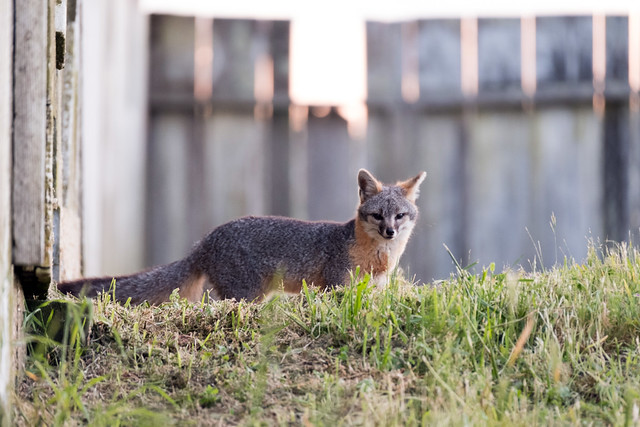
On the mammal front, on a lead from Christian (a different one) we staked out a structure within Pt. Reyes at sunset trying to grab a few pictures of a gray fox in the after sunset fading light. Considering the photography conditions I'll take this photo 8.5 times out of 10.

PtReyes-1276

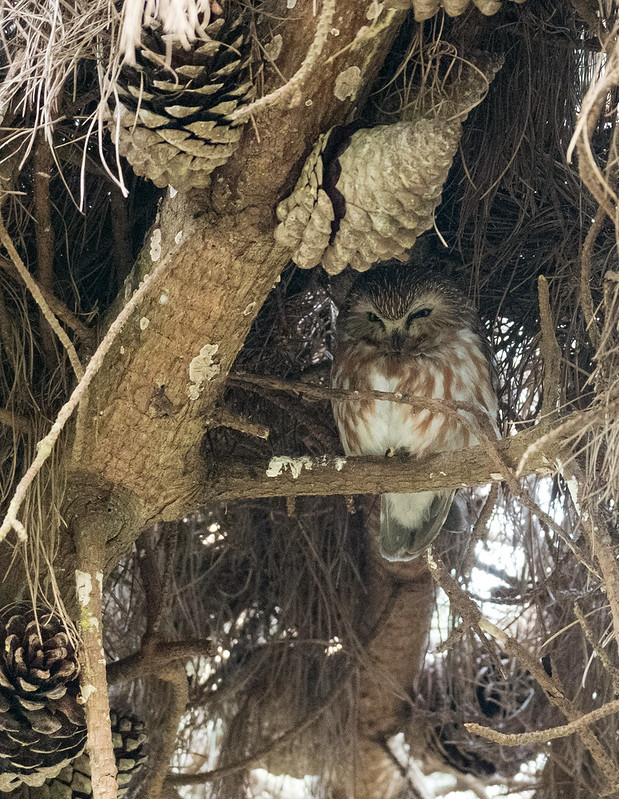
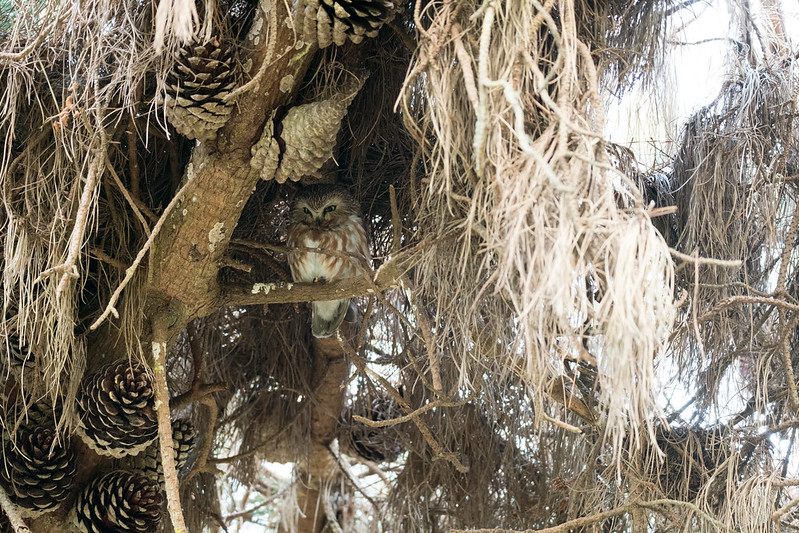
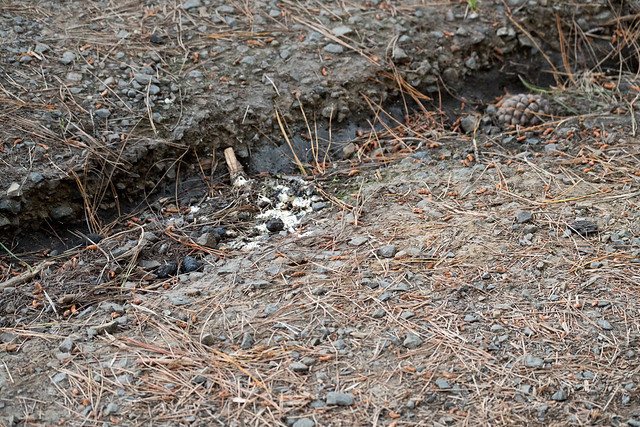
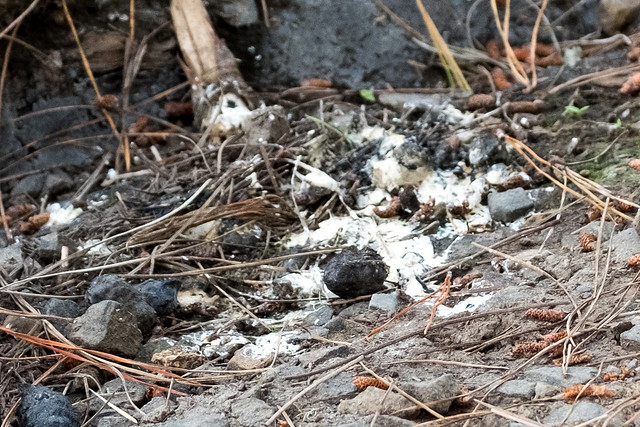
The benefit of hiking with a herper is that we are looking down a lot. It means we can miss a lot of birds because they tend to be up, but in this case it allowed us to find this little owl. I first noticed the large amount of whitewash on the trail, which made me look up into the darkness of a tree overhanging the trail and see a little ball of puff 10-12 feet off of the ground. Again the photography conditions were brutal (This was the catalyst that pushed me over the edge to buying a monopod currently in route).

!!!LIFER ALERT!!!

A Northern Saw-whet owl. If I am being honest with you, we mis-ID'ed this one in the field though. We thought it was a Pygmy Owl until looking at the photos at home (and adjusting the exposure a bit). It just seemed so small IRL. Does it still count after being misidentified in the field? We'll have to ask the birding rules committee. Either species would have been a (non-heard-only) lifer so real-time excitement was not diminished.

PtReyes-1253

PtReyes-1241

PtReyes-1249

Zoom in on that mess.

PtReyes-1249_crop

Don't forget to look down sometimes and then back up when you see a whitewash.

On CTC's secondary brand - the herping - it was amazing. We found ~25 snakes and I had two of the best cover boards of my life. But before those we saw a couple of Thamnophis elegans garter snakes on a short hike including one sad DOR youngster. I still don't have a macro lens for my newish camera so herp photos are limited and taken on my phone.

The first snake under a board was a 2-3' Pacific Gophersnake - Pituophis catenifer catenifer that I didn't manage to take a picture of because seconds after I lifted that board, screams from another board being lifted gave a hint to at least 8-10 Pacific Ring-necked Snakes, Diadophis punctatus amabilis. Here I hold 3 of them in my hand at once. Most were in shed, which seemed slightly curious.


Under the next board was a smorgasbord of snakes. I think we got 2 of 3 species of garter snakes but in the chaos and fleeting looks as snakes darted in every directions I can't be 100% sure.

(1) Aquatic Gartersnake -Thamnophis atratus likely integrades in Marin County.

(2) Coast Gartersnake - Thamnophis elegans terrestris. There may have been some integrades with Mountain Gartersnake - Thamnophis elegans elegans because some of the individuals we saw had a lot of blue and almost no red at all to them, but I am not really sure if that is the best field mark for determining subspecies, certainly not better than location that suggest T. e. terrestris.

(3) California Red-sided Gartersnake - Thamnophis sirtalis infernalis. I believe this is the one we dipped on, but it might have been in there as there were some snakes with a lot of blue like I said above (but not a lot of red).

Garter snake IDs were incomplete because under that same board there were better snakes to grab including several Western Yellow-bellied Racer, Coluber constrictor mormon.

But the real winner and Snake O' the Day was a male Northern Rubber Boa - Charina bottae. What a treat!


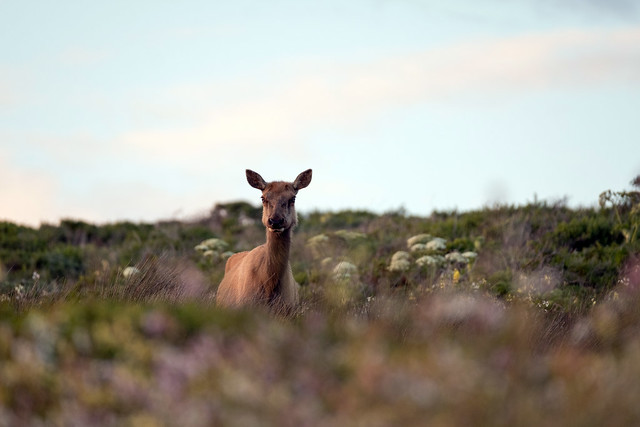
Other mammals seen were loads of Tule Elk, distant coyote, a bobcat, and several raccoons.

PtReyes-1257

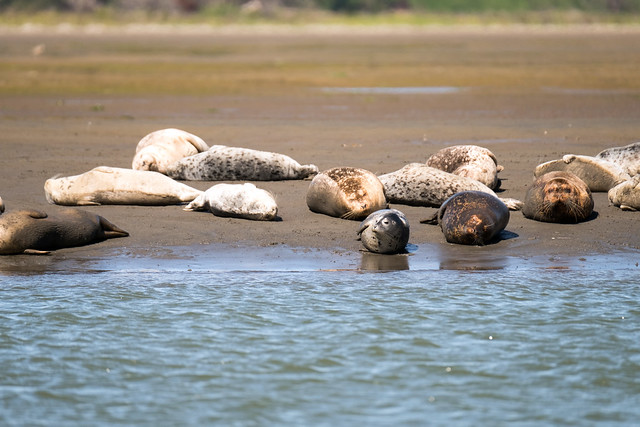
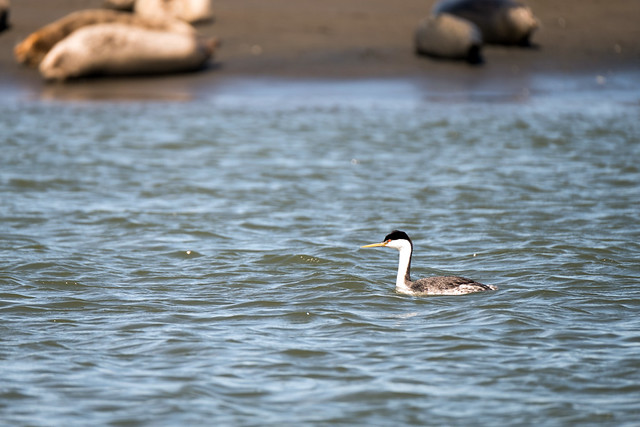
At Bolinas Lagoon we didn't spot any otters but the Harbor seals were making noise and a Clark's Grebe was looking regal.

PtReyes-1297

PtReyes-1293

All in all a fantastic 24 hours in Pt. Reyes.

PtReyes-1266


Tuesday, October 10, 2017

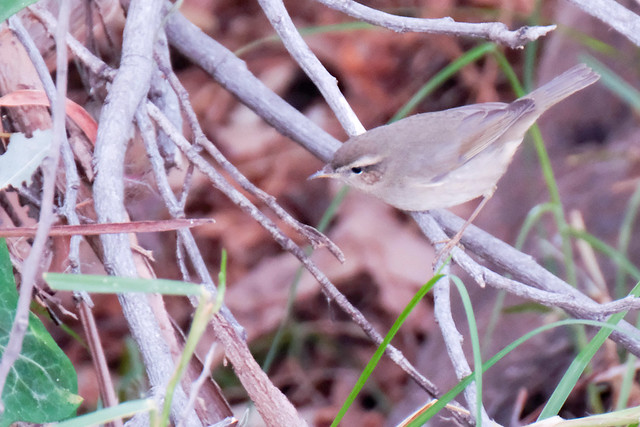
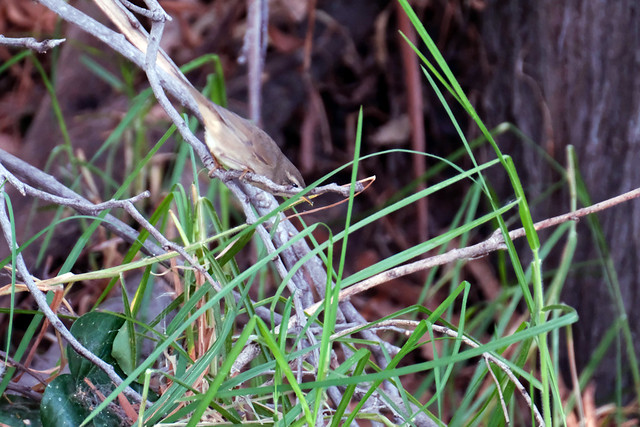
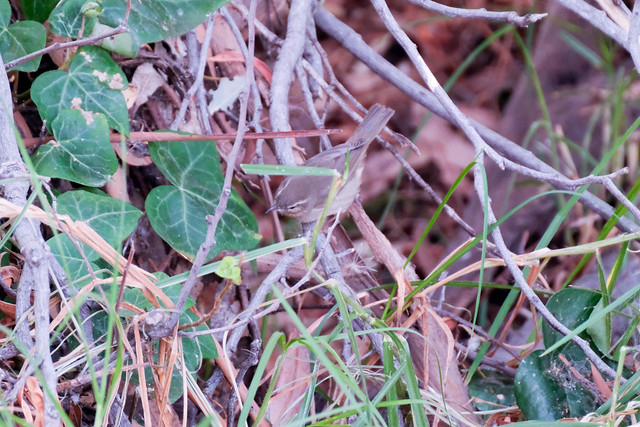
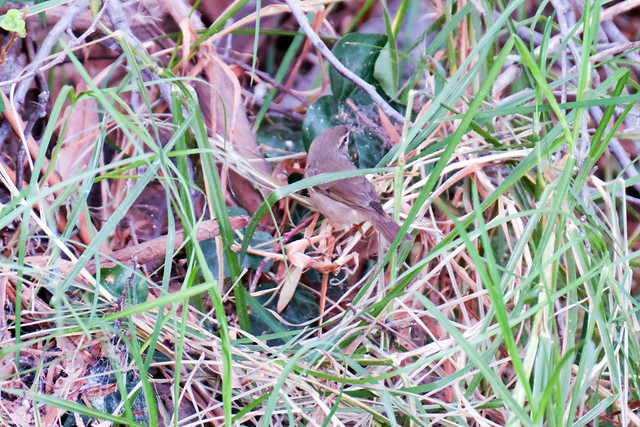
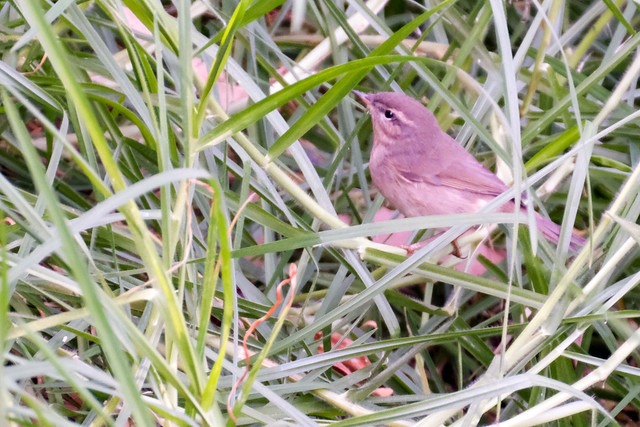
Dusky Warbler

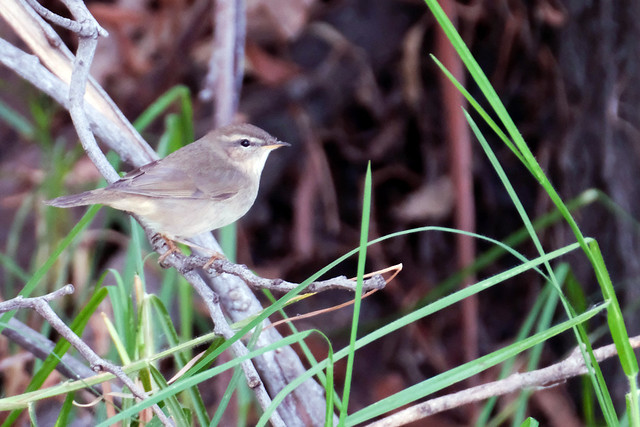
Went hunting for the Dusky Warbler at Coyote Point Marsh in San Mateo first found by Logan Kahle and Bob Toleno on 10/8.

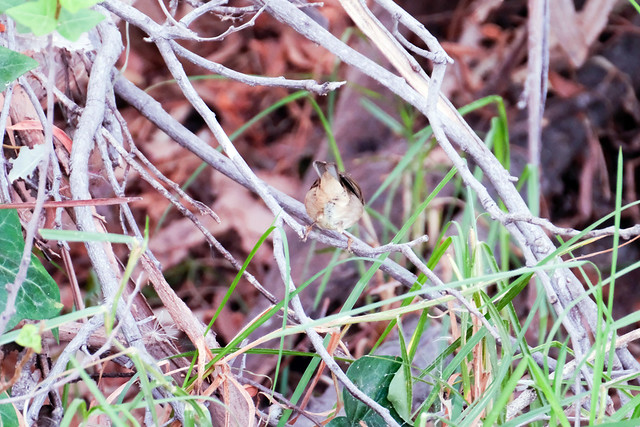
Admittedly this is a bird I never would have IDed correctly if I had run into it by myself without knowing it was there, but once you know what to look for and a shit ton of patience we were able to find it. That supercilium almost makes it look like a wren.

Arrived a touch after 10am and a few people were already staked out. After maybe 30 minutes Adam Dudley and Dorian Anderson got a quick 3 second look, while I was busy looking at the wrong bird, a dull common yellowthroat. Then a lot of time went by without hearing or seeing it. At about 1pm I decided to give up and head back to the car. On the path back I ran into another birder, Patrick, that separated from the group and had just got on the bird. This time the bird gave us much better looks. Still skulking in the shadows and not sitting still for very long, but longer than 3 seconds. We saw it off and on for about 45 minutes, when I decided it was finally time to go into lab.


SMC-0443

SMC-0446

SMC-0439

SMC-0447

SMC-0437

SMC-0425

SMC-0445
This is what a dusky warbler's butt looks like

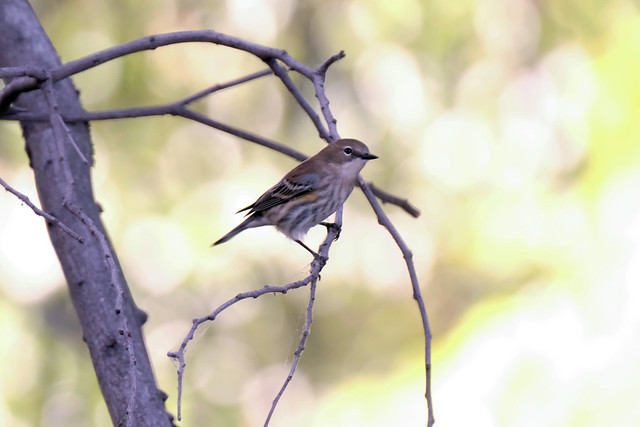
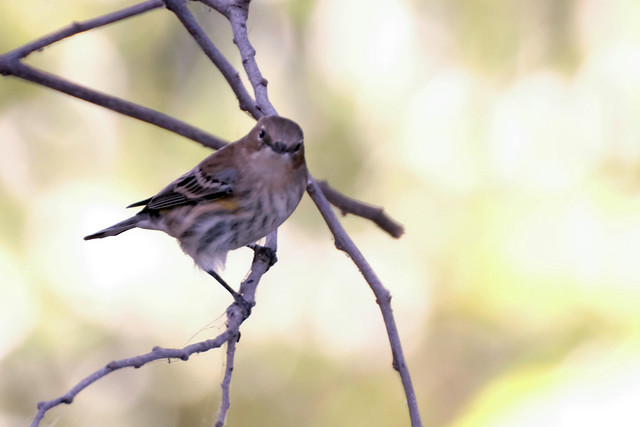
I got a new camera recently and I have gotten it out only a few times so far. Damn grant writing and bench science screwing up my photography game. This yellow-rumped warbler is far from crushed, the focus is a bit off, but I am posting them anyways to be able to compare to 6 months from now when I get a little better with the camera. Hopefully my easy bird picture taking abilities improve quickly

SMC-0430

SMC-0429

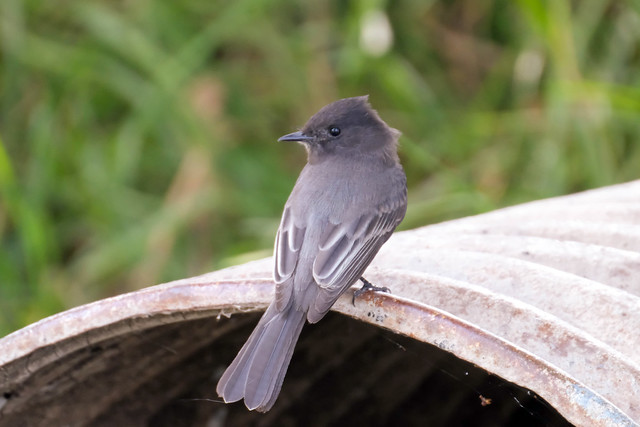
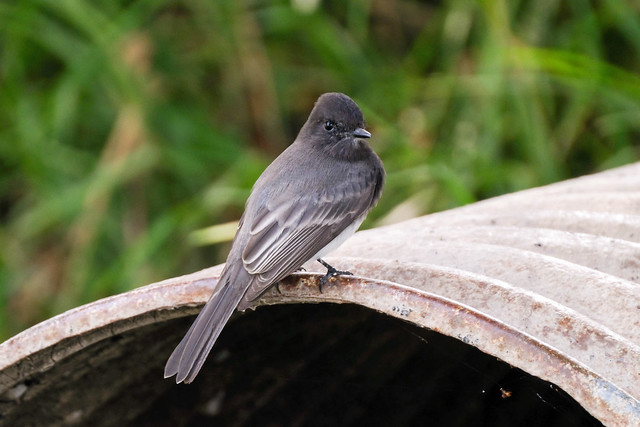
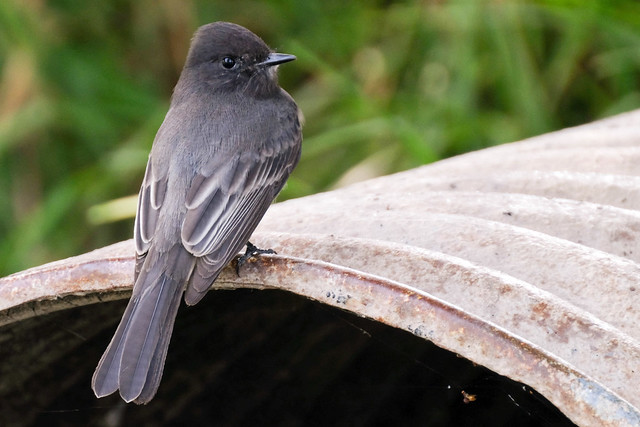
Speaking of easy birds, this black phoebe was sitting on the same culvert that the dusky warbler was skulking around. Use that as a reference if you go out on the search.

SMC-0418

SMC-0417

SMC-0415

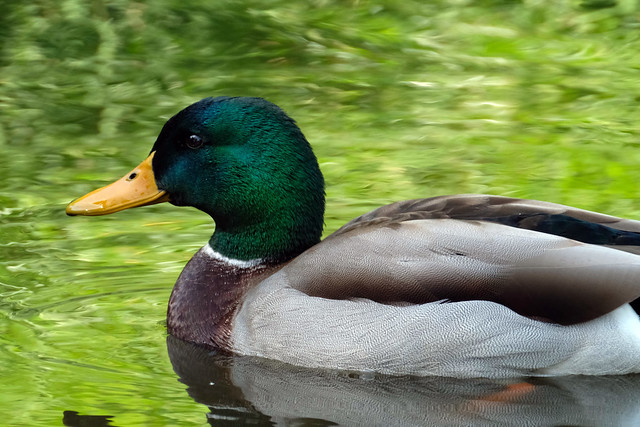
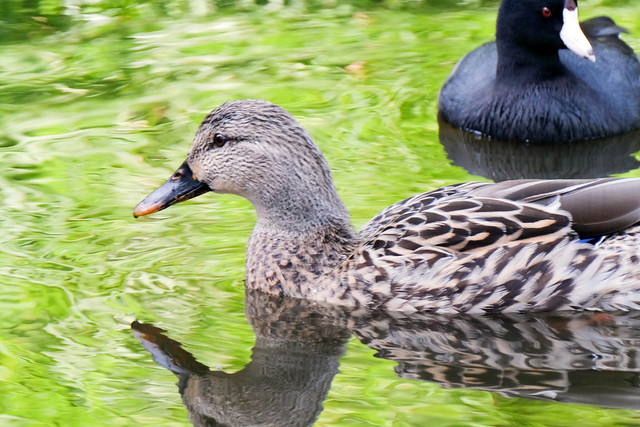
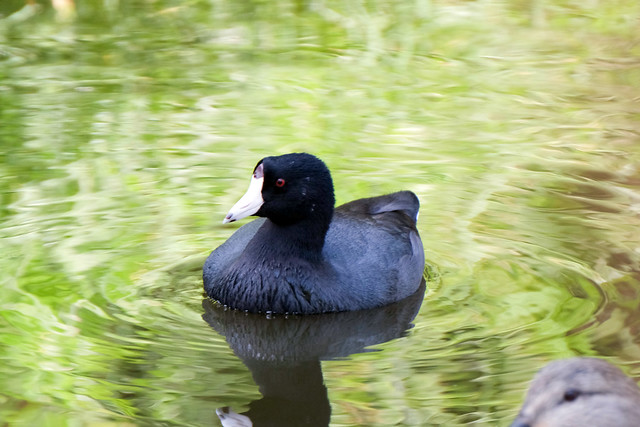
And finally a couple of Mallards and a coot, because why not, new camera.

SMC-0403

SMC-0406

SMC-0405

The end

Thursday, August 17, 2017

50% Dipping at Devil's Slide

The other day Christian and I met up quick at Devil's Slide to look for the wayward Northern Gannet. I had seen it once almost a year to the date at Maverick's beach in Half Moon Bay, and once very poorly on a pelagic with Alvaro's Adventures, but Christian had yet to get a glimpse worth counting. With reliable reports for a couple of days running we headed over in the afternoon. Turns out morning would have been better. Or any of the next 5 days. We dipped hard.

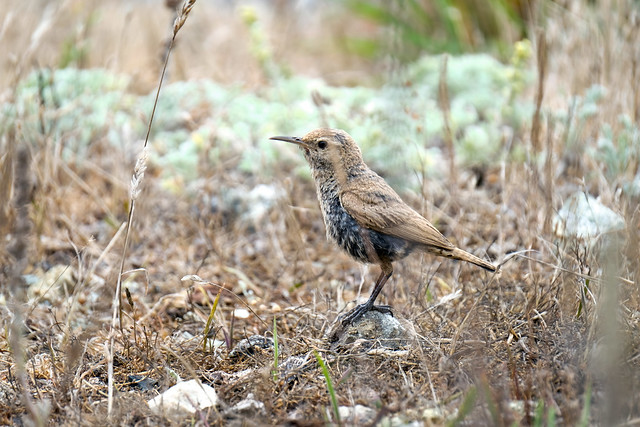
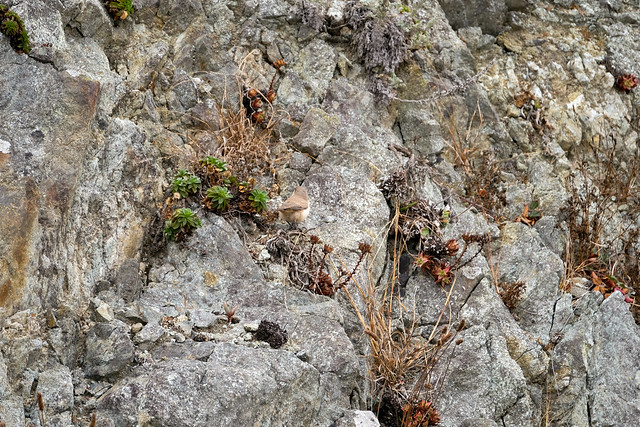
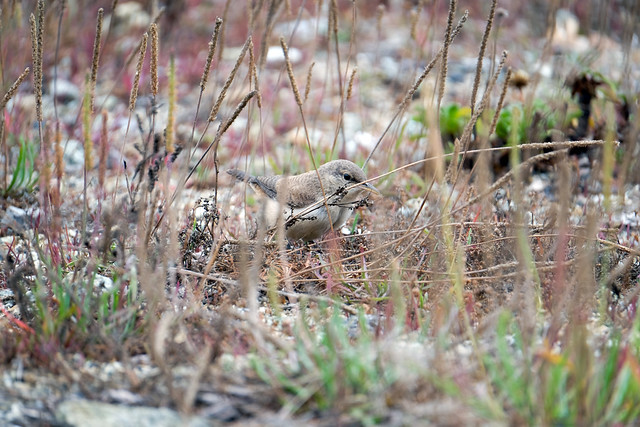
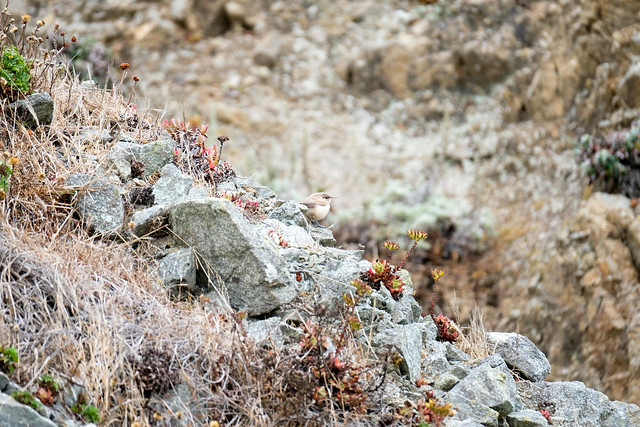
But we did get a chance to see the Rock Wren family at the Egg Rock overlook and snapped a few pictures before my camera battery died. The damn birds don't hold still long and some long grass was between them and my lens so while none of these qualify as a crushing it was nice to get out for a bit and try my hand at some photography again. Its been awhile.

SMC-0161

SMC-0162

SMC-0171

SMC-0176

SMC-0179

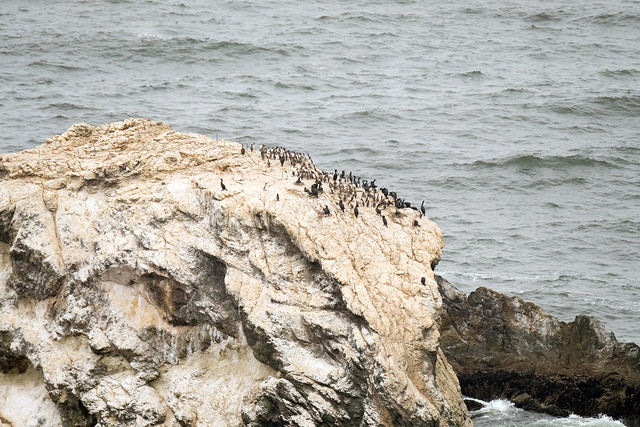
Here is Egg Rock, where the Gannet likes to hang out, but just a bunch of murres and cormorants occupying during our visit.

SMC-0169


Decent Birding!

Thursday, September 19, 2013

Toss me some beads

Its a veritable Mardi Gras on the California coast, including here in Santa Cruz.

There are Boobies everywhere.
A full on invasion.

Well, maybe not everywhere, but certainly more than usual, which is almost never. So far they have all been juvenile Blue-footed Boobies. It took me two days and about five hours, but I finally got a quick glance at one this afternoon. My eyes were practically bleeding after looking at thousands of pelicans, cormorants, gulls, shearwaters, and terns trying to turn one of them into a Booby.

No Booby pics, but the marine mammals were also out in good force. Yesterday had a half a dozen or more humpback whales including a mother in calf near shore. I also saw a couple of sea otters. Today had only 1-2 humpbacks but over a dozen sea otters.
A few poor images of the marine mammals below.

No go out to the coast and look for boobies.

SC-7908


SC-7905,


SC-7906


SC-7907


SC-7909


SC-7912


SC-7913


SC-7914


SC-7910


Here is a link to some actual good Booby images from Santa Cruz. Link goes to a single photo, but poke around Alex's library for a few more.