Title Image

Title Image

About:

This blog is predominately about camera trapping in California. We camera trap to save our souls and to teach primary school students about biology and conservation. We will also touch on other camera trapping news and musings, sets from afar, mediocre herpetology, sucky birding, and other natural history discussions.
Showing posts with label Stanford University. Show all posts

Saturday, June 2, 2018

Summer Bird Count -- Stanford University

Hey something about campus! More 50% on brand posts. And a same day post, what the what?!?

A dry Lake Lagunitas in the morning

Christian and I headed out to the Stanford campus for the annual Audubon Society Summer Bird Count. The trip was lead by Rob Furrow, a most gracious teacher and gifted birder. We were also joined by Jason and Alexander, two Stanford students.

We met up at the somewhat redundantly named Lake Lagunitas at 6:30am. Oh, but its also not a lake, at least not this year. Wasn't really even a vernal pond. Sadly it didn't hold water like last Winter. No toad SUPERBLOOMS. However, it didn't get mowed this year leaving lots of great seeding plants for birds to feed on.

Jacket weather lasted about 20 minutes. We could tell it was going to be a hot one early. It turned into a scorcher reaching 90°F by noon. We ended the day with 62 species and about 6 hours and 10 miles of birding by bike.

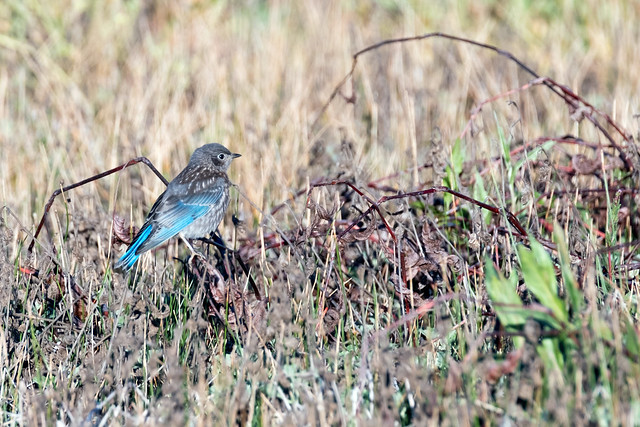
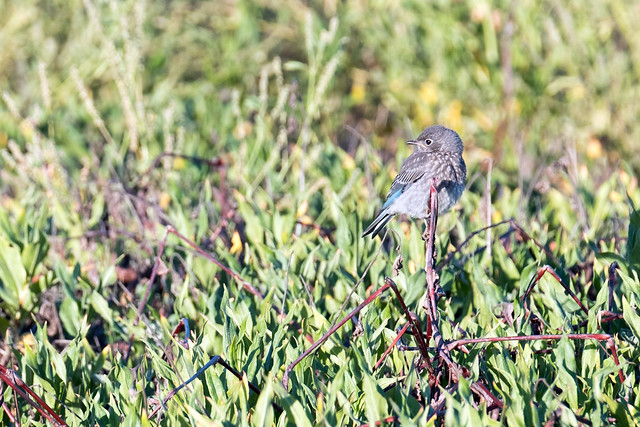
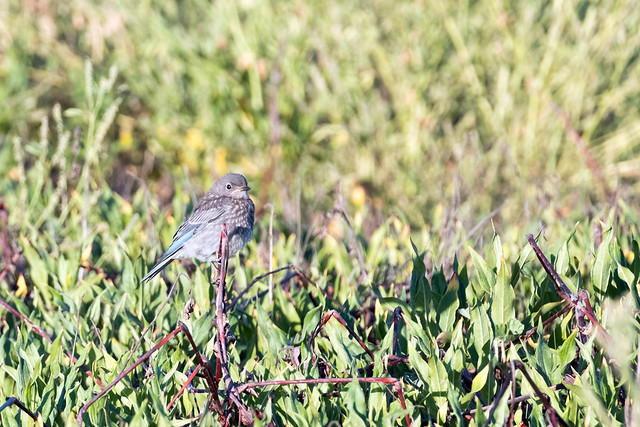
I have done other Christmas Bird Counts and Summer Bird Counts on campus, but this was the first time I brought my camera. Even so I didn't really spend much time taking pictures. Our goal was not only to count birds, but to observe any evidence of breeding success. We saw quite a bit of that. Fledgling Western Bluebirds, Chestnut-backed Chickadees, Oak Titmouses (Titmice?), Song Sparrows, and the rusty chest of 3 White-tailed Kites were abundant at Lake Lagunitas. Young Mallards were swimming in San Fransquito Creek. White-breasted and Pygmy Nuthatches were seen feeding fledglings in the riparian habitat along the creek. Even cooler was a greedy little Brown Creeper getting fed by two adults in an oak tree. We saw Acorn Woodpeckers feeding young and a young Nutall's Woodpecker sticking his head out of a nest cavity. The most abundant birds of the day were House Finches, many of whom were also feeding fledglings.

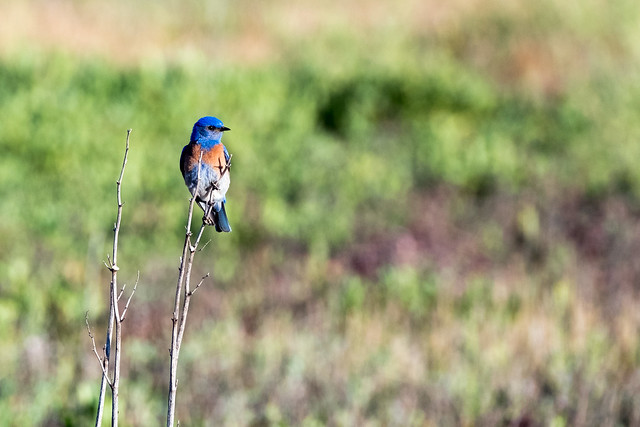
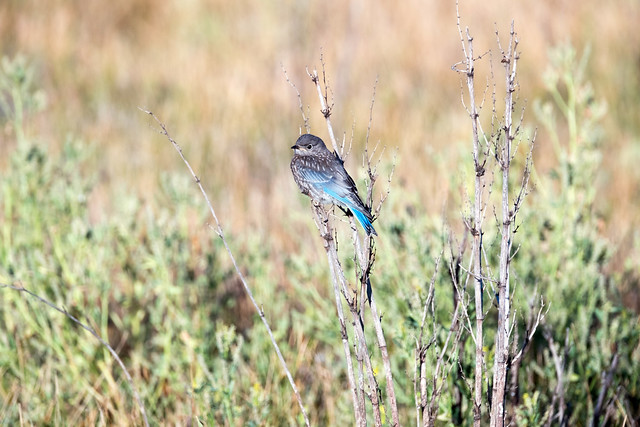
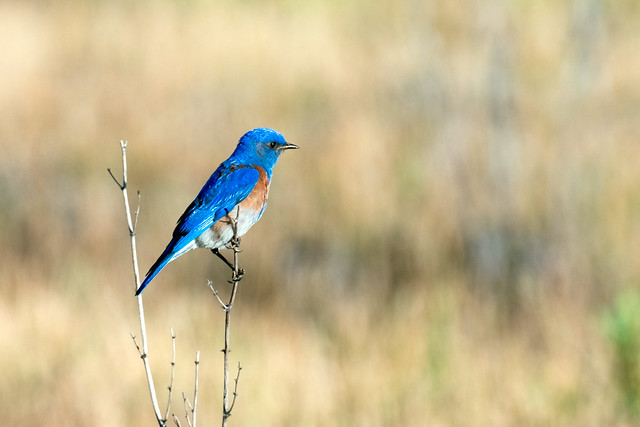
The early light and leisurely pace was good for some Western Bluebird photography in the dry lakebed.

An adult male Western Bluebird looking regal as all hell
SBC_Stanford-1320

SBC_Stanford-1307

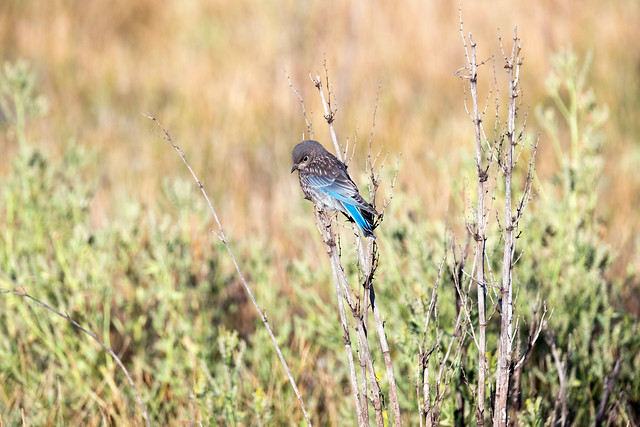
And one of the fledglings waiting for mom or dad to come back with breakfast.
SBC_Stanford-1322

SBC_Stanford-1310

SBC_Stanford-1308

SBC_Stanford-1306

SBC_Stanford-1327

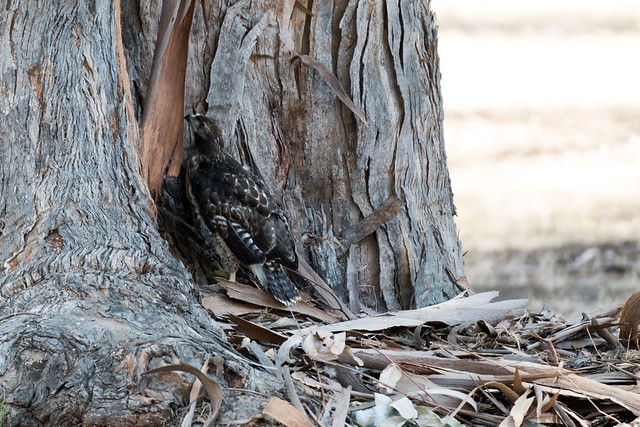
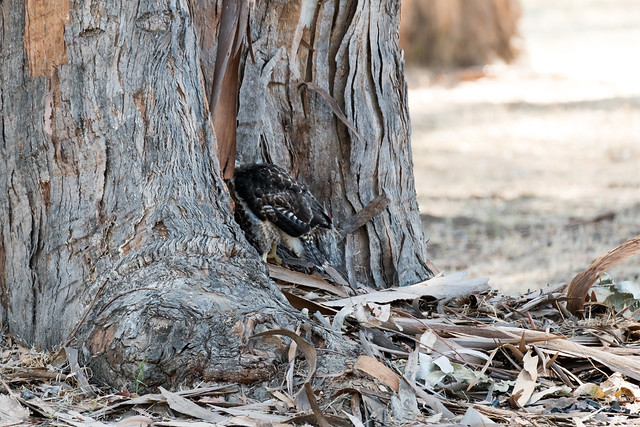
This fairly rough looking Red-tailed Hawk was on the ground in the Arboretum doing a pretty piss poor job of looking like a tree trunk.
SBC_Stanford-1330
Peek-a-boo


SBC_Stanford-1332

I got 4 new campus birds today, breaking 100 for a total of 102. A flyover Double-crested Cormorant was actually bird #100 (pretty lame #100 if you ask me). I didn't realize that I was missing Kestrel, otherwise I would have been more excited as it flew over my head (and only my head, the other guys were looking for a group of 30 wild turkeys reported to us by some golfers with robot caddies that followed them like a puppy. Oh Silicon Valley).

One of the two Hoover Tower Peregrine Falcons was present for a brief glimpse, but quickly flew off to figure out a way to give more tax cuts to rich people and start another war in the Middle East.


Western Fence lizards were out in full force, but it was a snakeless day. I thought for sure we'd stir up a Yellow-bellied racer or a Gopher snake in the dry lakebed.

Full ebird list can be found here.

Tuesday, August 22, 2017

Toad SuperBloom

Let's stay down south, but go back to a campus.

In late May, CTC met up on JK's turf down on the Farm. The plan was for a birding excursion at Lake Lagunita: in the weeks previous stunningly full from a year of plenty, but at this time returning to more of a vernal pool state.

The day was blustery and there really wasn't much action as we walked the first half of the loop. A pair of Hooded Orioles -- the day's winged highlight -- had just scattered off into the foliage when JK somehow scoped:

Anaxyrus boreas halophilus

A Western, or California Toad! While one of the more common amphibian species in our state, either of us had not come across one in a while -- and pretty neat to find as a toadlet.

So after trying to photograph the hell out this poor jittery youngster, we continued down the trail, coming upon where the diversion from San Francisquito Creek feeds into the lake. 

It was there where the thousands of our previous friend's brothers and sisters revealed themselves in a an almost hallucinatory manner. Each step we placed down on the earth, toads took to the air. Inside every burrow, hole and divot, their horizontal pupils were watching. In undulating waves, floating down the stream like Huck & Jim.

By now the sharp wind had calmed to a light whisper and we moved on, leaving the toads to continue their journey...

toad motherload location


this was one many being carried down the stream


the light stripe down the back is a key ID mark


flooded burrows were another common hangout


getting in close


what is your count? (higher-res)


Friday, December 16, 2016

Pathetic Attempts in Mushroom Identification

Hey look what a little bit of rain will do.

Fungi sprouting up everywhere. A few I saw on the walk from the parking lot to the lab. Pulled out the cell phone and snapped some pictures, but didn't bother touching them up at all.

What are these things? God if I know, but I figured a weak attempt might be in order. But a post that actually has to do with something on Campus might be appropriate.

So I pulled out my trusty new mushroom guide: Mushrooms of the Redwood Coast, and immediately had a panic attack. Holy crap there are a ton of different mushrooms in the area, and holy crap do a lot of them look alike. I figured maybe I could settle for Genus, but quickly realized that I don't have much of a clue to even figure out what group any of these guys belong to. This is going to much harder than I thought.

So stopping at any attempt to mis/identify any of these, I just present pictures.

There were a couple of groups of this one. The cap appeared a little slimy or wet.


Only saw one or two of these below. The cap seemed very dry on these ones


These next two are the same individual with my hand for scale (note: my hand is larger than PEOTUS's tiny fingered hands)


I think I only saw one of this one with the red/pink edges to the cap.


The next two images are from the same individual and were in close proximity to the one above. Similar cap, but no red/pink in them. I failed to get a top picture of the cap.


Finally lots of these guys that kinda reminded me of chanterelles, but not quite. Were both under oaks and eucalyptus. Some had wider stalks like the first picture and some had skinnier stalks like the second and third picture. Its also possible these aren't all the same. They were growing mostly in groups and popping up through the natural mulch


I thought birds were hard, but damn fungi ... They may hold still but its hard to even know where to start. If anyone want to chime in with hints or full IDs it will be much appreciated. Mad respek for the mycologists.

Thursday, July 3, 2014

Change of Campuses

GO OUTSIDE AND TAKE A F*CKING PICTURE OF THE STANFORD CAMPUS

That is the message to myself in the draft of this post ... sitting in my draft box since March and I still haven't done it.

Sorry for the lack of posting. CTC has switched campuses. No more views of Monterey Bay on the beautiful UCSC campus. I started a postdoc at Stanford University in February and haven't been able to get out in the field much, let alone write-up any posts for this almost defunct blog. Thank God Christian has kept us alive with a couple of posts.

The banner is going to have to wait a bit longer for a picture change. I hope to start posting a bit more often, if we have any readers left.

The good news is that I didn't have to move far and I can keep up with some of the local Bay Area camera trappers in real life. Maybe I can get my cameras back out in the field soon too. I certainly missed seeing everyone at the annual Codger Kids reunion during pre-class set-up a couple of weeks ago.

So keep checking in ...

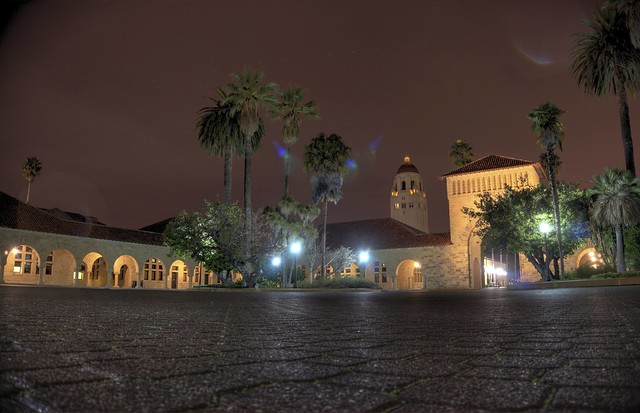
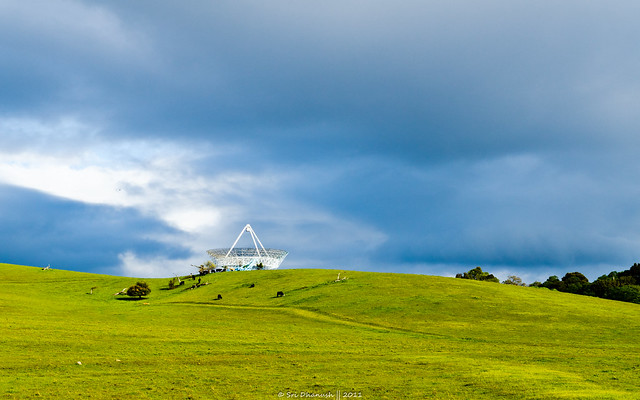
A couple of photos of the Stanford campus from other people because every post needs a photo or two. The aesthetics of imperfection and transience
Exploring the unknown...

A Happy 4th to our American readers